KEY NOTE SPEAKERS
Anderson lecture:
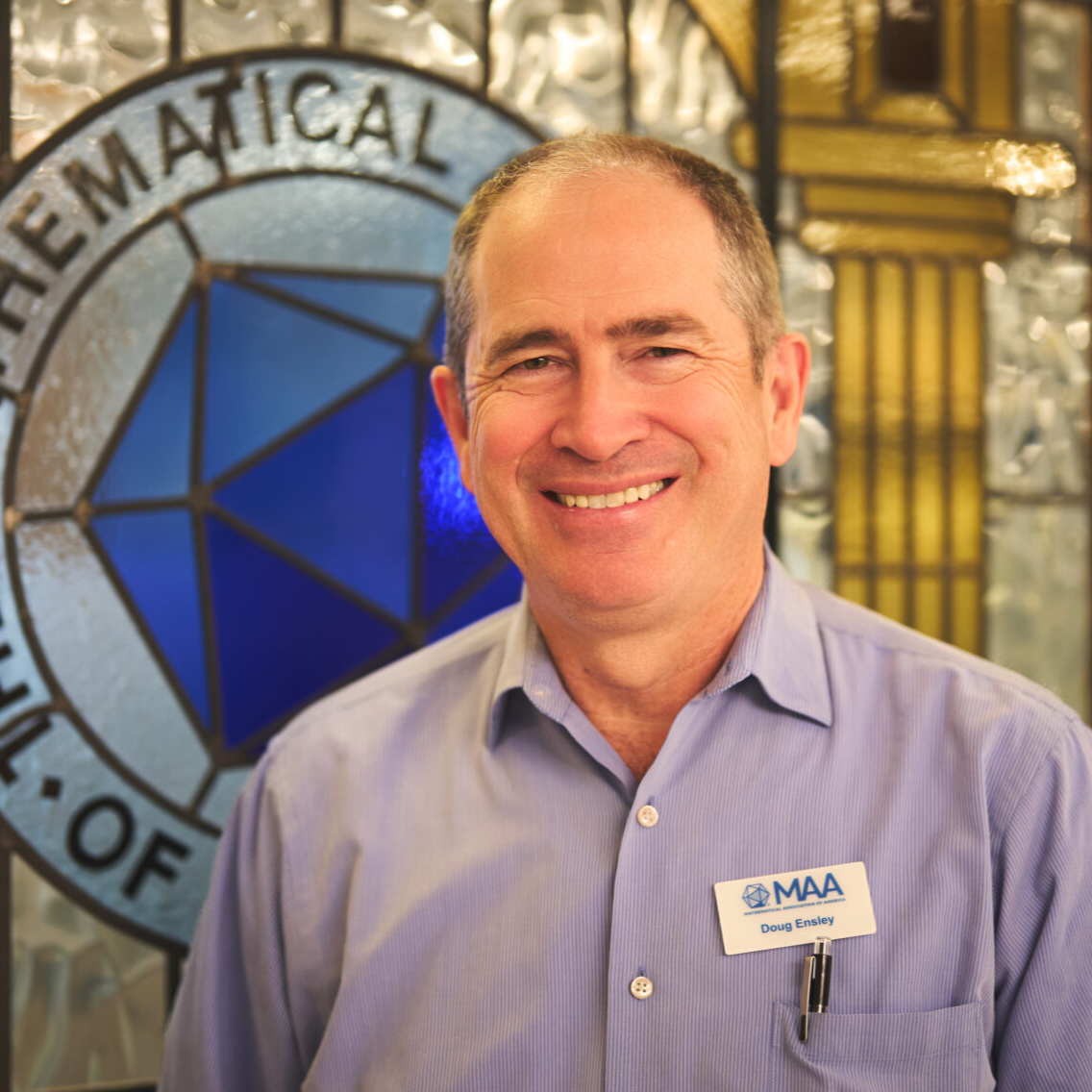
Doug ensley
MAA Director of Competitions Operations
Building your own mathematical identity
I will present some results from the final undergraduate research project I supervised before retiring from teaching in 2022. The problem focuses on generalizations of typical Pascal Triangle identities, including a cute relationship that allows you to create your own identities within customized triangular arrays of numbers. We will build a solution from first principles appropriate to a rising sophomore and then see how it all fits within an area of contemporary combinatorics. Within this context I will share some thoughts on the value of understanding interconnections between the mathematical topics we study at the undergraduate level and on how my own identity as a mathematician formed over 40 years.
After catching the math bug from legendary Alabama math teacher, Dorothy Wendt, DOUG ENSLEY received mathematics degrees from the University of Alabama in Huntsville and Carnegie Mellon University, writing a PhD dissertation in mathematical logic with overtones of combinatorics and graph theory. In 1993 Doug joined the faculty at Shippensburg University (PA) where he worked until 2022, with occasional stints at MAA headquarters in various roles sprinkled along the way. Most recently he served as interim MAA Director of Competitions through January 2026. Doug has written extensively on discrete mathematics and has received NSF funding for a half-dozen teaching-focused grant projects over the years, including the one that supports his current, part-time role as Director of the MAA OPEN Math project. He is a past recipient of the EPADEL Section teaching award and the MAA Certificate of Meritorious Service.
maa representative lecture:
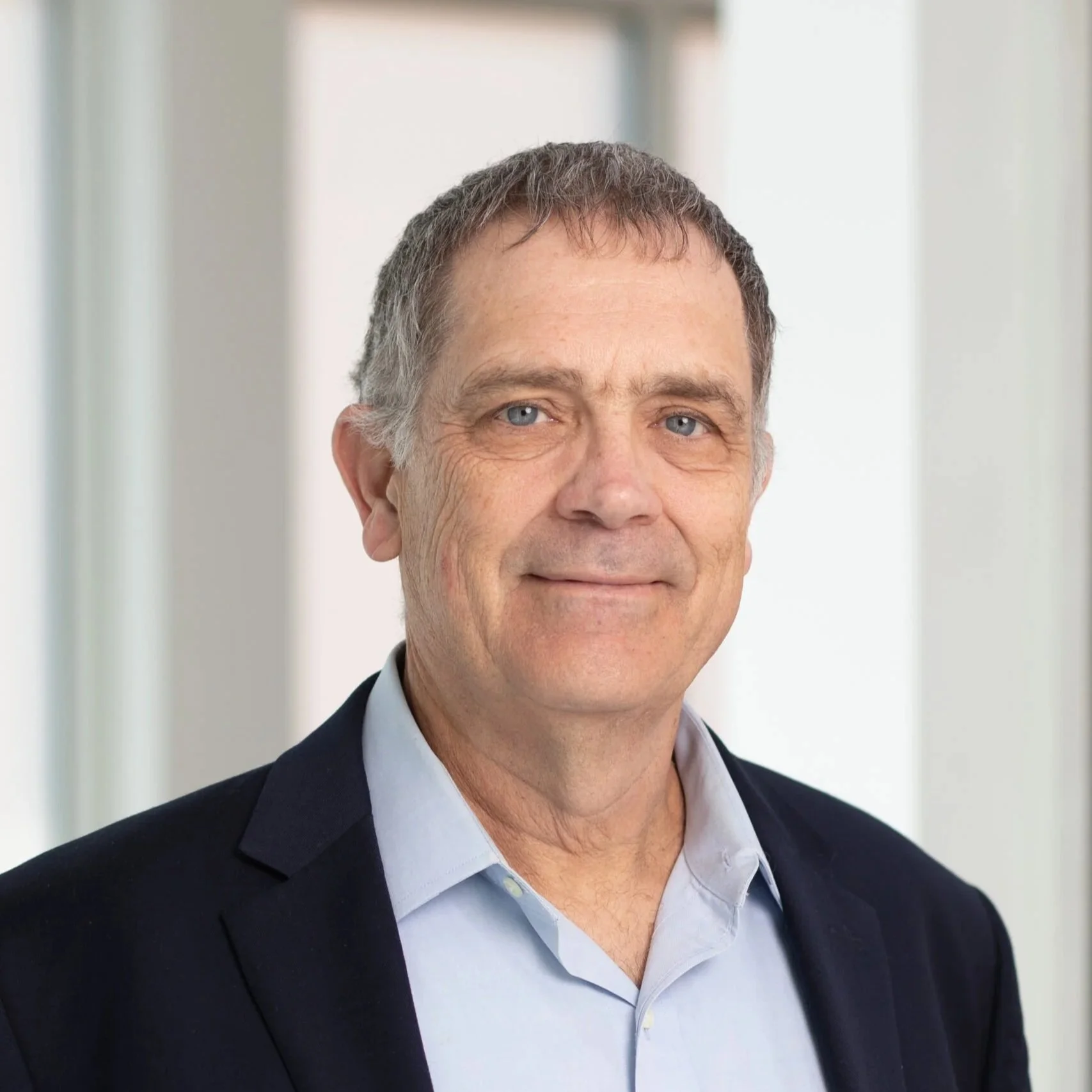
richard cleary
maa vice president
Sports Applications of Mathematics in the Era of Legalized Gambling
We are now more than twenty years beyond the publication of Michael Lewis’ classic book Moneyball, which popularized the previously niche subject of sports analytics. Since that time the field has grown and evolved, and now the introduction of legalized wagering on sports has made a generation much more interested in sports applications of mathematics. In this presentation, we will look at some of the key analytics ideas that are now deeply ingrained in sports teams and leagues, and we will demonstrate some ‘non-standard’ uses of mathematics in sports that are tremendously useful not well known. The examples presented will use ideas from probability, matrix algebra and optimization; and maybe even a little topology.
RICK CLEARY teaches at Babson College where he is Professor of Mathematics and Statistics and Weissman Family Professor of Business Analytics. He has previously taught at Bentley University, Harvard University, Cornell University and St. Michael’s College. He works as an applied statistician in various fields, with recent publications related to sports, fraud detection in accounting, measuring creativity in business students, and biomechanics. Rick is the Vice-President of the Mathematical Association of America, and serves as first editor of a new journal, Scatterplot, that debuted in 2024 with a goal of helping mathematics teachers prepare students for careers in data science. He has athletic experience as a runner (including 32 Boston marathons), a high school and college cross country coach, a race director and a youth sports coach in soccer, basketball and baseball.
maa AWM lecture:
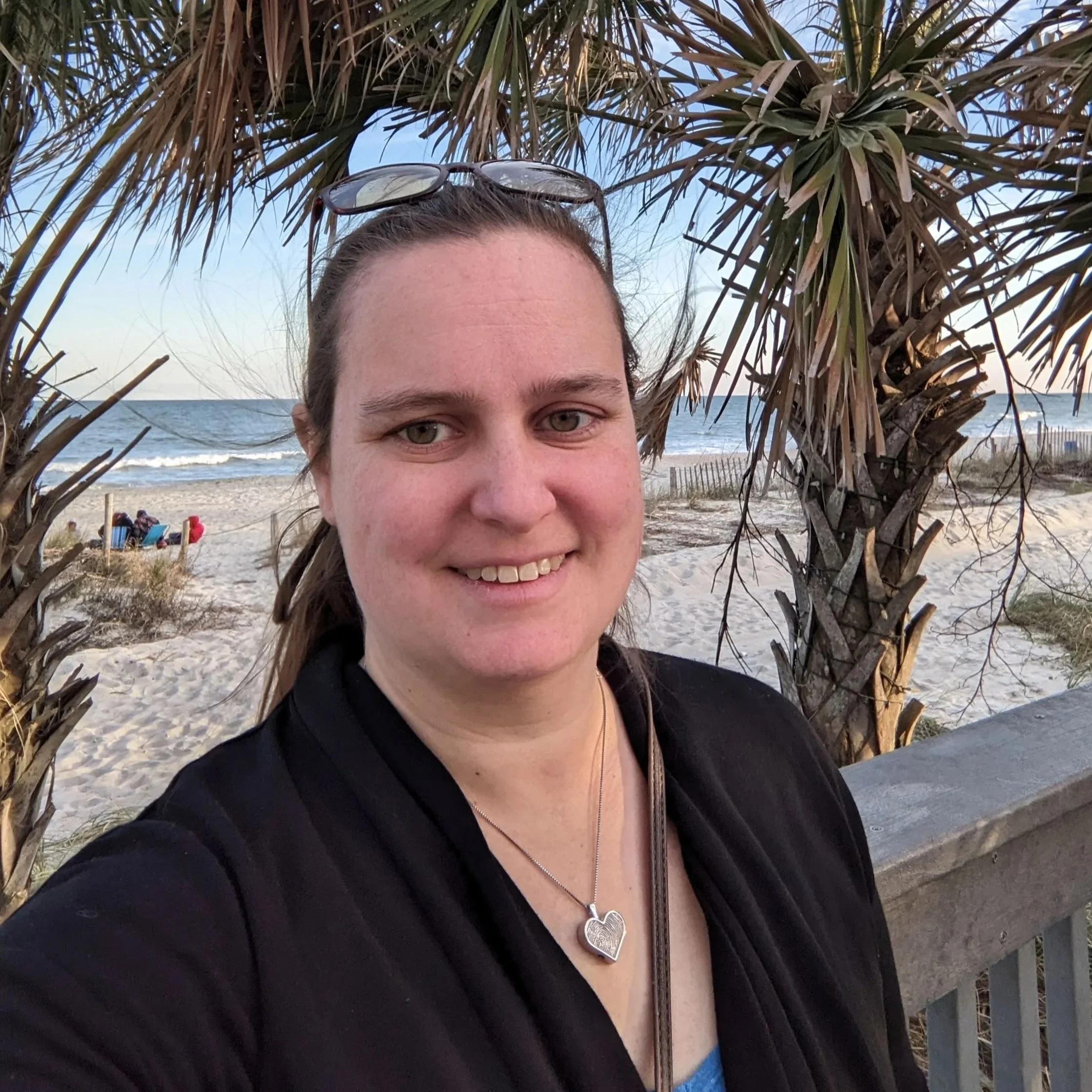
Lauren Keough
Grand Valley state university
Math Circle Magic for All
One of my favorite ways to interact with people is through doing problems that people don’t always think of as “math”. I’ve led math circles at GVSU for several years and will present some of my favorite problems. Some of these are magic tricks, and some are just magical in the cool math one discovers while exploring them. This will be an interactive talk where audience members get to discuss math-ish problems with each other and will (hopefully) get to leave with a new discovery of their own.
LAUREN KEOUGH is an associate professor in the Department of Mathematics at Grand Valley State University. Her favorite activities as a child in Rhode Island were those that allowed room for creativity, so, at first, she wasn’t a huge math fan. In fact, when she used her creativity to find patterns to do timed multiplication tests, she thought she was cheating. Her love for math started to develop as an undergraduate at Hofstra University where she learned she could be creative in her math courses. Lauren completed her BA in Mathematics and Education at Hofstra University in 2009 and her PhD in 2015 at the University of Nebraska – Lincoln under the supervision of Dr. Jamie Radcliffe. Her PhD research is in extremal graph theory, and she especially loves areas of math where she can involve undergraduates. After graduate school, Lauren spent a year at Davidson College as a visiting assistant professor before moving to Grand Valley State University (GVSU) in 2016. At GVSU, Lauren strives to meet the needs of all undergraduates. She spreads her love of math by mentoring undergraduate research, hosting math circles, and teaching as many different courses as possible. Beyond math, Lauren likes to do all of the NYTimes games, watch Nebraska volleyball, and row.